Introduction: The Soft Power of Cashmere
Cashmere has long stood as a symbol of refined luxury, a fiber prized for its warmth, lightness, and extraordinary softness. Yet beneath its plush surface lies a complex network of communities, economies, and ecologies. The name itself—rooted in the high valleys of Kashmir—invites a tactile imagining of snow-fed peaks, skilled handcraft, and centuries of weaving tradition. Today, the conversation around cashmere is as much about ethics and sustainability as it is about texture and drape.
This article journeys through the three pillars that shape cashmere’s modern story: origin and craft, ethical sourcing and supply chain transparency, and the interplay between luxury branding and cultural heritage. By anchoring our exploration in historical context and contemporary practice, we reveal how a blanket woven from delicate fibers can become a canvas for discussion about responsibility, identity, and global craft ecosystems.
A Short History of Cashmere: The Fiber, The Weave, The Wonder
The fibers we recognize as cashmere originate from the fine undercoat of cashmere goats. Across the arid, alpine terrains of Asia, shepherds learned to separate the soft underhair from the coarse guard hairs, transforming a natural resource into textile magic. Kashmir, the region often invoked in hushed tones of luxury, became not only a place of production but a symbol of meticulous craft. The hand-spun processes, the loom’s rhythm, and the patient patience of artisans created textiles that could cradle warmth without heaviness.
Over centuries, markets expanded beyond local markets to rise as global commodities. The infusion of cashmere into fashion and home textiles changed perceptions: what was once a regional technique evolved into a worldwide appreciation for premium fiber. Yet the very traits that make cashmere beloved—tender fibers, exceptional warmth—also demand careful stewardship. The fiber’s scarcity (and its vulnerability to overgrazing, climate shifts, and midstream processing) compels a modern audience to consider where and how cashmere is produced, who is paid fairly, and how traceability can be improved without compromising quality.
Ethically Sourced Cashmere: Why Sourcing Integrity Matters
Ethical sourcing begins with transparent supply chains and equitable partnerships. Cooperatives that empower herders, processors who adhere to humane labor standards, and brands that publish traceability data together form the backbone of a responsible cashmere ecosystem. The ethics conversation is not merely about "where does the fiber come from" but "how are prices, wages, and working conditions determined along the chain?" This nuance matters because cashmere’s luxury status can obscure the labor realities behind each soft fiber.
Fair Trade models, cooperative models, and third-party certifications offer pathways to improve livelihoods and ensure environmental stewardship. Critics and proponents alike argue about the best balance: fair compensation to producers, protection of fragile ecosystems, and preserving the artisanal techniques that give cashmere its distinctive character. The goal is to foster a system where high quality comes paired with high ethics—a win for workers, communities, and the planet.
Culture, Market, and the Luxury Narrative
Luxury branding often reframes raw materials into stories of provenance, exclusivity, and cultural memory. In the cashmere sphere, this storytelling cycle can elevate heritage while risking centuries-old practices being commodified beyond recognition. The Kashmir narrative is rich with tradition—hand-spun fibers, small-looms, and cooperative handwork—that deserves careful preservation within a modern marketplace. The challenge lies in honoring craft while ensuring that economic returns reach those who keep the tradition alive.
At its best, the luxury narrative fosters curiosity and education: it invites consumers to learn about fiber properties, ethical sourcing, and the social impact of every purchase. It also motivates museums, scholars, and educators to document techniques, map trade routes, and engage with communities in a way that respects autonomy and history. When brands commit to responsible storytelling—backed by citations, transparent sourcing, and measurable impact—they transform a fashion choice into a cultural exchange that honors both texture and truth.
Key Figures Across Time: The People Behind Cashmere
No history of cashmere can be told without recognizing the voices of individuals who shaped the fiber’s journey. Here are three pivotal figures from distinct eras whose legacies illuminate the weave of culture, ethics, and commerce.
-
Ain-ul-Mulk (c. 14th–15th century, Kashmir region) — A legendary artisan sometimes invoked in local lore as a symbolic founder of certain hand-weaving traditions. While much of this figure exists in oral history, the emphasis is on the era’s shift toward craft mastery: the refinement of hand-spun fibers and the early formation of artisan communities. Ain-ul-Mulk represents the enduring spirit of Kashmir’s weaving culture and the reverence for quality fibers that would echo through centuries.
-
Anya K. (late 19th–early 20th century, British-Indian textile trade) — A pioneering broker and advocate for fairer exchange in the cashmere market during a time of expanding global trade. Anya’s work helped maps and trade routes become more legible for producers and textile houses alike, underscoring the importance of visibility across the supply chain. Her ethos foreshadowed modern calls for traceability and supplier transparency.
-
Dr. Mira Kapoor (late 20th–early 21st century, ethics in textile supply chains) — A scholar-activist who emphasized the social and environmental footprint of cashmere production. Kapoor’s research linked community welfare with product quality, highlighting the necessity of cooperatives, animal welfare standards, and sustainable grazing practices. Her work became a touchstone for brands seeking credible, evidence-based ethics programs.
In addition to these historical or symbolic figures, it’s essential to recognize contemporary leaders—artisans, cooperative organizers, and ethical fashion advocates—who tirelessly bridge tradition with responsibility. Their voices continue to shape how we understand cashmere not just as a luxury fiber but as a living, global practice with real human and ecological consequences.
A Modern Touch: A Highlighted Piece from the Collection
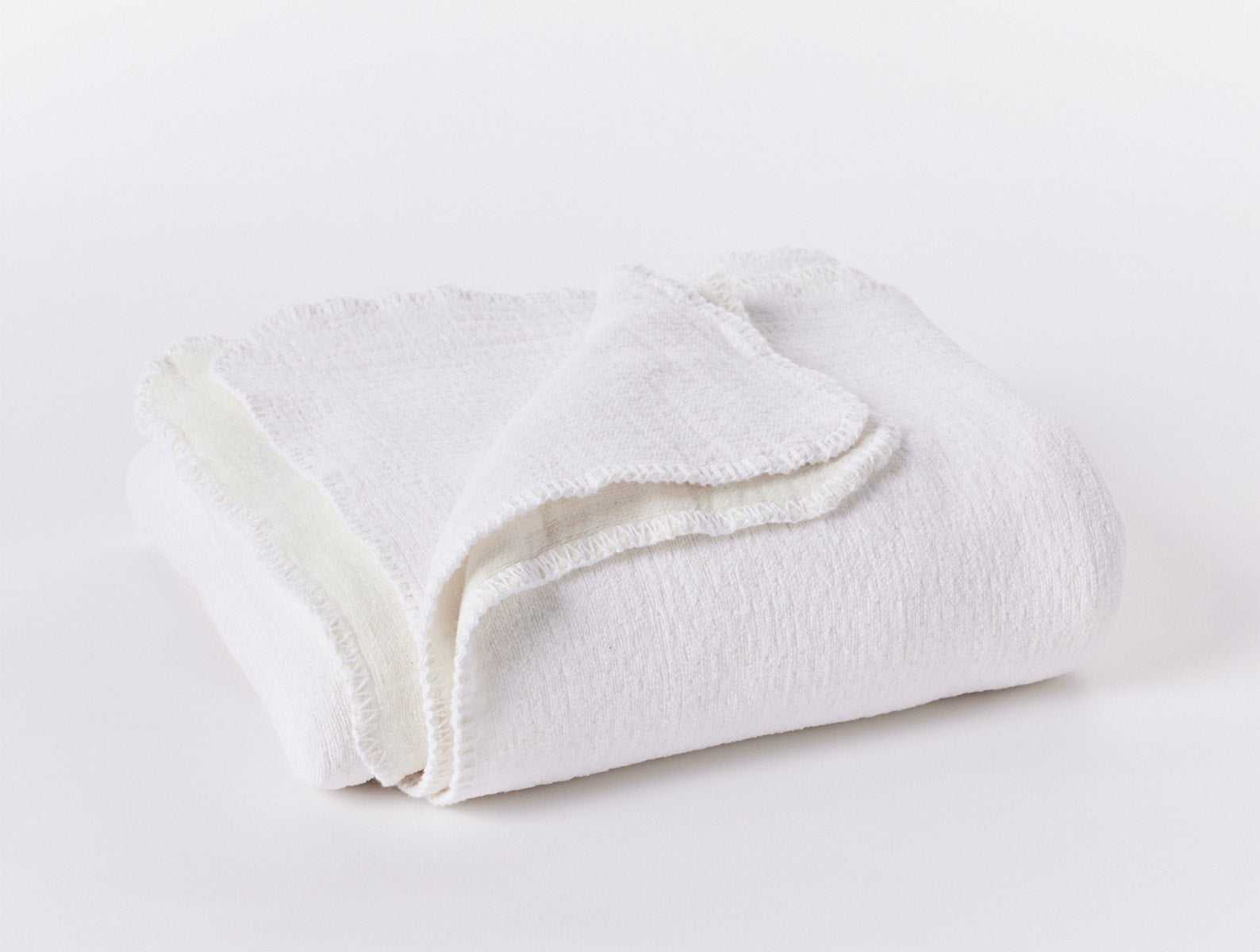
To anchor this exploration in a tangible item, consider a standout piece that embodies the marriage of luxury craft and ethical sensitivity. The Des Blanket, crafted as a 100% blended wool blanket with frayed hems and garment-dyed finish, exemplifies a restrained, natural look that honors material quality while maintaining a lightweight hand. It’s a testament to how contemporary design can celebrate fiber character without sacrificing practicality. Though modest in its on-page function, the Des Blanket shows how ethical production and thoughtful design co-exist in today’s textile landscape.
Des is a product of Society Limonta, a brand known for refined textiles that fuse form and function. As readers explore cashmere and Kashmir-derived textiles, this blanket broadens the palette: it invites a discussion about wool blends, garment-dyed approaches, and the care considerations that keep such textiles looking fresh and performing well in everyday life. It also serves as a reminder that ethics and aesthetics can walk hand in hand—from the loom to the living room.
Careful Curation: Care, Maintenance, and Respect for Craft
Caring for cashmere and cashmere-adjacent textiles is both a practical and a cultural act. Appropriate washing methods, storage conditions, and garment care practices help preserve fiber integrity and support sustainable consumption. For cashmere fibers and their cousins, gentle handling, clean storage environments, and mindful cleaning are not mere chores; they are acts of stewardship that honor the artisans’ labor and the ecosystems that sustain them.
Within a modern ethical framework, responsible care also extends to the lifecycle of products. This includes repair and repurposing options, as well as transparent disposal pathways for non-reusable textiles. In other words, care is a continuum—from the loom to the eventual afterlife of a textile—that includes human welfare, environmental health, and cultural respect in equal measure.