Bedding & Textile Guide
Mulberry West Silk Bedding: How Temperature-Regulating Fibers Work
A blanket can feel wonderfully light and still offer meaningful comfort when the room cools. Silk’s appeal lies in that balance: a smooth, airy textile that can help manage warmth and moisture without the bulk of heavier layers. Here’s how its structure contributes to the experience—and what to look for when assessing a silk blanket such as Mulberry West.
Published October 12, 2026
Why silk feels different from the first touch
There’s a particular sensation to silk bedding: cool and smooth at first contact, then comfortable as it settles against the body. That impression is part of silk’s reputation, but it is not magic—and it does not mean that the fabric actively heats or cools a sleeper. Rather, the experience comes from a combination of fiber characteristics, fabric construction, room conditions, and the way each person responds to temperature.
Silk is a natural protein fiber. In a blanket, many fine silk filaments are gathered into yarn and arranged through weaving or another textile process. The finished fabric’s behavior depends on more than the word “silk” on a label. The thickness and density of the cloth, the way it is stitched or finished, the amount of fill, and the presence of a cover or trim all influence how the blanket feels and performs.
That distinction matters when shopping. Fiber content can tell you what material is present, but it cannot, on its own, promise a particular sleeping temperature, a specific level of insulation, or relief from night sweats. A thoughtful choice starts with the textile’s construction and care requirements—and then considers your climate, bedding layers, and personal comfort.
The basics of temperature regulation in bedding
People generate heat while sleeping, while the room and bedding affect how readily that heat moves away from the body. A blanket influences the small environment between the sleeper and the surrounding air. It may help retain warmth when conditions are cool, while its fabric structure can also allow some heat and water vapor to move through or disperse.
This is why “temperature-regulating” is best understood as a description of how a textile may contribute to comfort—not as a guarantee that it will keep every sleeper at an ideal temperature. A person who sleeps warm under a thick duvet may have a very different experience from someone who prefers several light layers in a cool room. Nightwear, mattress materials, humidity, room ventilation, and changes in body temperature all play a part.
Three ideas are useful when evaluating a blanket:
- Insulation: How the textile helps slow the movement of heat away from the body. Fiber, fabric weight, trapped air, and loft can all affect this.
- Airflow: How easily air can move through or around the fabric. Weave, thickness, and how closely the blanket is tucked in may matter.
- Moisture handling: How the textile interacts with water vapor and perspiration. A fabric’s feel when dry is only one part of the story.
These factors work together. A light, breathable blanket may feel less confining than a dense, heavy one, but its warmth still depends on its overall construction and the layers beneath it. It is more useful to ask how a blanket is made and whether it suits your sleep setup than to expect any single fiber to regulate temperature by itself.
How silk’s structure contributes to comfort
Silk’s fine filaments can be made into yarns and fabrics with a fluid drape and smooth surface. In a blanket, that combination can create a layer that feels gentle and relatively light compared with bulkier bedding. When a fabric is not overly dense, air and water vapor may move through its structure more readily than they would through a tightly packed, heavy textile. The exact result depends on the weave, finish, and weight; “silk” alone does not specify those details.
The fiber’s smooth hand is another part of silk’s appeal. It may feel pleasant against skin, particularly for people who dislike a coarse or fuzzy surface. But softness is subjective, and the texture can vary between products. A blanket’s binding, seams, and any surface treatment may also affect the way it feels, so construction details deserve a look alongside fiber content.
Silk can be used in different forms. A woven silk blanket may have a continuous fabric surface, while a filled silk comforter uses silk as insulation inside a shell. Those are not interchangeable constructions. With a filled piece, the amount and distribution of silk, the shell fabric, and the quilting or stitching all influence warmth and loft. With a blanket, the weave and fabric density are central to the feel.
As with other natural fibers, silk does not eliminate the effects of a warm room, heavy duvet, or unsuitable sleepwear. It can be one element in a well-considered bedding arrangement. If you often wake too warm, adjusting layers or room conditions may make a bigger difference than changing one blanket alone.
Warmth without an unnecessarily heavy layer
Many people look for a blanket that offers comfort without feeling weighty. Silk may be appealing in that context because a fine textile can drape close to the body without the thick, lofty feel associated with some heavier blankets. Whether it is warm enough for your needs depends on its weight, construction, and the rest of your bedding.
Layering offers flexibility. A silk blanket can be used as a light standalone cover in mild conditions, placed between a sheet and a duvet, or kept within reach for a cooler evening. The practical advantage is that layers can be adjusted as the weather and indoor temperature change. If you share a bed with someone who has different temperature preferences, separate or easily removable layers may be especially useful.
Consider how you actually sleep before choosing. Do you want a blanket that covers a large bed, or a smaller layer for a sofa or the foot of the bed? Do you prefer a cool first touch, a substantial weight, or a dry-clean-only textile that can be reserved for occasional use? These everyday questions can help narrow the field more effectively than broad claims about luxury or seasonless comfort.
Mulberry West as a case study in reading the details
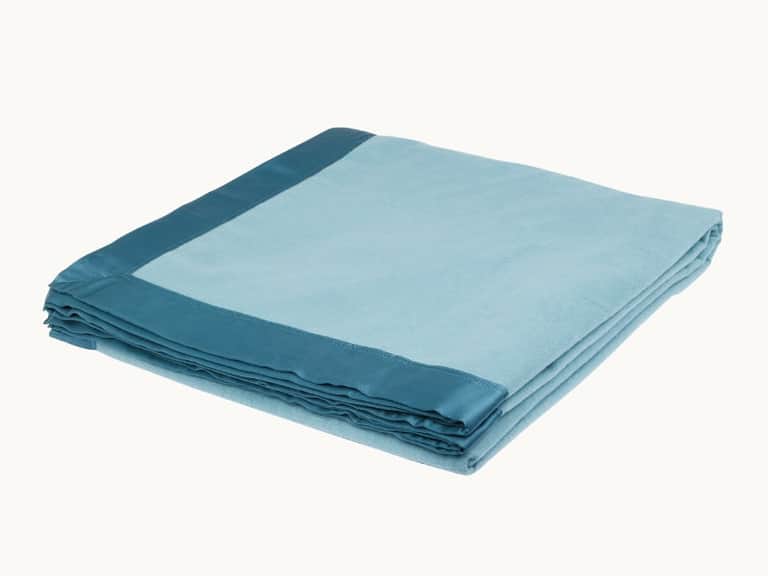
The Mulberry West 75-gram silk blanket provides a useful example of why product descriptions should be read beyond the headline material. Its listing describes a silk blanket with satin trim and identifies a 75-gram fill. It also presents the blanket as a temperature-conscious option, describing silk as a natural material that adjusts to temperature fluctuations. These details offer a starting point for understanding the product, but they should not be treated as a universal performance guarantee.
The same product information reports that the materials were independently tested and found free of formaldehyde and lead. That is a specific claim about testing and purity, not proof of every possible safety or performance characteristic. Anyone for whom testing is a deciding factor can review the maker or retailer’s current documentation and check precisely what was tested, by whom, and under what conditions. Clear evidence is more informative than a vague statement that a textile is “clean” or “safe.”
It is also worth separating fiber claims from construction claims. “Silk” identifies a material, while a stated fill weight, dimensions, trim, and care instructions help describe the finished blanket. The listed size information includes a Twin XL dimension of 68 by 90 inches, while other sizes and weights are identified in the product description. As with any bedding purchase, confirm the current size and availability information before relying on it.
These details make the Mulberry West blanket a helpful example of how to assess a textile: identify the stated fiber content, understand whether the item is woven or filled, note its weight and dimensions, and consider the evidence behind any testing statements. The description can inform a decision, but only your own conditions and preferences can determine whether its warmth and feel are right for you.
What “75-gram fill” can—and cannot—tell you
A weight specification can be useful, but it needs context. A number may refer to the weight of a fill, a textile’s weight per area, or another measurement; product descriptions do not always make the distinction obvious. Before comparing two blankets, check what the number describes and whether the products are being measured in the same way.
Even when a measurement is clear, it does not independently establish how warm a blanket will feel. Warmth is affected by the distribution of fill, the fabric shell, stitching, size, air movement, and the layers used with it. A light blanket may be comfortable in a heated bedroom but insufficient in a chilly room. Another sleeper may find the same item pleasantly airy. The number is one clue—not a complete guide to sleep comfort.
When the description leaves a point unclear, look for a more detailed specification or ask the seller to clarify. Helpful questions include whether the stated weight refers to fill or finished fabric, what sizes are currently offered, and which care instructions apply to the exact version being sold.
Silk compared with other natural-fiber blankets
Silk is one option among several natural fibers used for blankets. Cotton, wool, and alpaca each produce different textures and have different care needs. Comparing them in practical terms can help you decide what kind of layer belongs in your home.
- Silk: Often selected for its smooth hand, fluid drape, and comparatively light feel. Some silk blankets require specialist care, so check the label before washing.
- Cotton: Common in everyday blankets and available in a wide range of weaves and weights. Care can be straightforward, although shrinkage and wash instructions depend on the particular fabric.
- Wool: Used in blankets that can provide substantial warmth. Texture, weight, and maintenance vary by wool type and construction.
- Alpaca: Valued in some blankets for a soft, insulating feel. As with other fibers, the finished product’s weave and care directions matter as much as its name.
There is no single best material for every sleeper. Someone who wants an easily machine-washed household blanket may prioritize different features from someone seeking a delicate, lightweight layer. The most satisfying choice is the one whose feel, maintenance, and warmth match your routine—not necessarily the one with the most luxurious-sounding label.
Care: preserving a delicate textile
Silk bedding often calls for more attentive care than a basic cotton blanket. The Mulberry West listing states that the blanket is easy to clean, but care guidance should always be checked for the specific item and version. Follow the manufacturer’s instructions rather than assuming that all silk products can be washed the same way.
Before cleaning, read the sewn-in label and the current product instructions. If dry cleaning or another specialist method is specified, using a standard wash cycle may risk changes to the fabric, trim, or shape. When only a small area needs attention, avoid improvised treatments that could leave a mark; consult the care guidance or a qualified cleaner familiar with delicate textiles.
Storage matters, too. Make sure a blanket is fully dry before putting it away, and keep it in a clean, dry place away from prolonged direct sunlight. Avoid compressing a delicate textile under heavy items for long periods. Gentle handling and sensible storage can help preserve its appearance and drape over time.
Care is part of the true cost of ownership. A blanket that feels lovely but requires more maintenance may still be the right choice, provided you are comfortable with the routine. If frequent machine washing is essential for your household, compare care instructions before deciding.
A thoughtful checklist before you choose
When comparing silk bedding, slow down long enough to look at the full specification. These questions can turn a beautiful-sounding description into a more practical decision:
- Is the item a woven blanket, a filled blanket, or a comforter?
- Does the stated weight refer to the finished textile, the fill, or a weight per area?
- What is the exact fiber content, and are any other materials used in the trim or shell?
- What size do you need, and does the listed dimension allow for the drape you prefer?
- What cleaning method is required, and can you realistically maintain it?
- Are testing or certification statements specific and supported by accessible documentation?
- How will the blanket work with your sheets, duvet, room temperature, and sleep habits?
For claims about testing, look for details rather than relying on a broad assurance. Testing may apply to a material sample or a finished product and may cover only named substances. The scope matters. If a retailer or manufacturer provides documentation, check that it corresponds to the item you are considering and read what the result does—and does not—establish.
The bottom line on silk and sleep comfort
Silk’s appeal is easy to understand: it can be smooth, fluid, and light in feel, qualities that make it an attractive layer for sleepers who want comfort without a bulky blanket. Its structure and the fabric made from it may contribute to airflow and moisture movement, but the finished textile’s performance depends on weight, weave, fill, and construction. The bedroom environment and the sleeper matter just as much.
The Mulberry West silk blanket illustrates why a closer look pays off. Its listed silk content, 75-gram fill, satin trim, dimensions, and reported independent testing each answer different questions. None should be mistaken for a guarantee that every sleeper will feel the same warmth or comfort. Read the specifications carefully, verify claims that matter to you, and weigh the care routine against your everyday needs.
Ultimately, temperature comfort is personal. A breathable natural-fiber blanket may become a welcome part of a balanced bed, but the best arrangement is often the one you can adjust: a light layer for mild nights, additional warmth when the room cools, and care instructions you can confidently follow. A little attention to the textile behind the label can make that choice feel much less like guesswork.